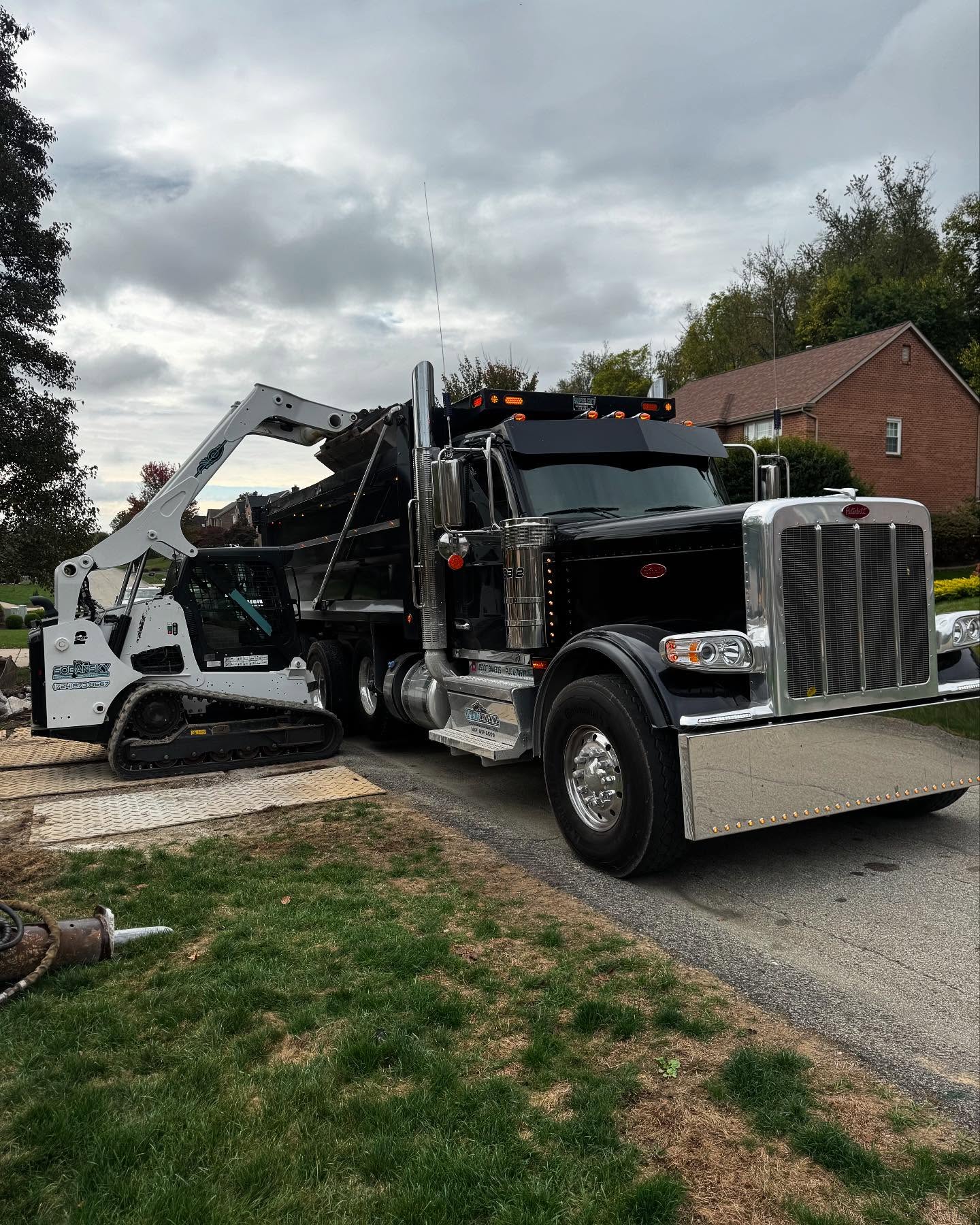
Essential Safety Practices for Excavation Work Jul 28, 2026
Before any excavation project begins, conducting a comprehensive site assessment is crucial. This preliminary step helps identify potential hazards such as underground utilities, water courses, and the type of soil present. Properly evaluating these factors ensures that precautions can be tailored to your specific circumstances, significantly reducing the risk of unexpected dangers during the excavation process.
Effective communication is another cornerstone of excavation safety. A well-informed team is an empowered one. Regular safety meetings, clear instructions, and ensuring every worker understands their responsibilities can mitigate many common risks associated with excavation. Encouraging an environment where workers feel comfortable discussing safety concerns fosters teamwork and vigilance.
Using the correct protective equipment and following personal safety procedures can't be overstated. Providing and mandating the use of hard hats, high-visibility clothing, steel-toed boots, and other essential gear is vital. Training workers about the importance and correct use of these items can prevent serious injuries. It's also essential that everyone on site understands and abides by all safety protocols, including those related to operating machinery.
Accurate marking of underground utilities is another critical safety measure. Before any digging begins, it's imperative to identify and mark all potential underground hazards. This practice not only protects workers from electrical and gas line incidents but also prevents costly damage and potential project delays. Partnering with local utility companies for precise information can greatly enhance site safety.
Proper sloping, shoring, and benching of excavation sites is necessary to prevent cave-ins. These safety practices depend on the depth and type of excavation, as well as the soil's stability. Ensuring that the walls of the excavation are adequately supported cannot be overlooked. This practice greatly minimizes the risk of collapses, which are a leading cause of fatalities in excavation projects.
One of the subtler yet significant aspects of excavation safety is maintaining site cleanliness and organization. A cluttered work area can lead to accidents; thus, keeping tools, machinery, and materials orderly and secure is essential. Regular site inspections ensure that any potential hazards are addressed promptly.
Environmental considerations play a pivotal role in excavation safety as well. Monitoring weather conditions is necessary as rain can make excavations dangerously slippery and unstable. Adjusting schedules and practices based on environmental factors can prevent unnecessary risks.
Finally, continuous training and education are key to maintaining and improving safety standards. As technologies and methods in excavation evolve, so too should our safety protocols. Regularly updating training programs ensures that workers are aware of the latest safety practices and how to implement them effectively.
At Sobansky Contracting, our commitment to safety translates into better project outcomes and, most importantly, the well-being of our teams. By integrating these essential safety practices into every project, we not only protect our workers but also enhance productivity and client satisfaction. Safety is an investment that pays dividends in every excavation endeavor.
/filters:no_upscale()/filters:format(webp)/media/910a3b7d-3a49-4cdf-bb43-b58336cef59f.jpeg)